Poison hemlock and wild carrot: why resemblance is risky
Understand the limits of a visual comparison between two white-flowered members of the carrot family.
Prepared with source references. Independent specialist review has not been completed. This guide does not establish identity, edibility, medicinal safety, or permission to collect.
Ask what the comparison cannot tell you
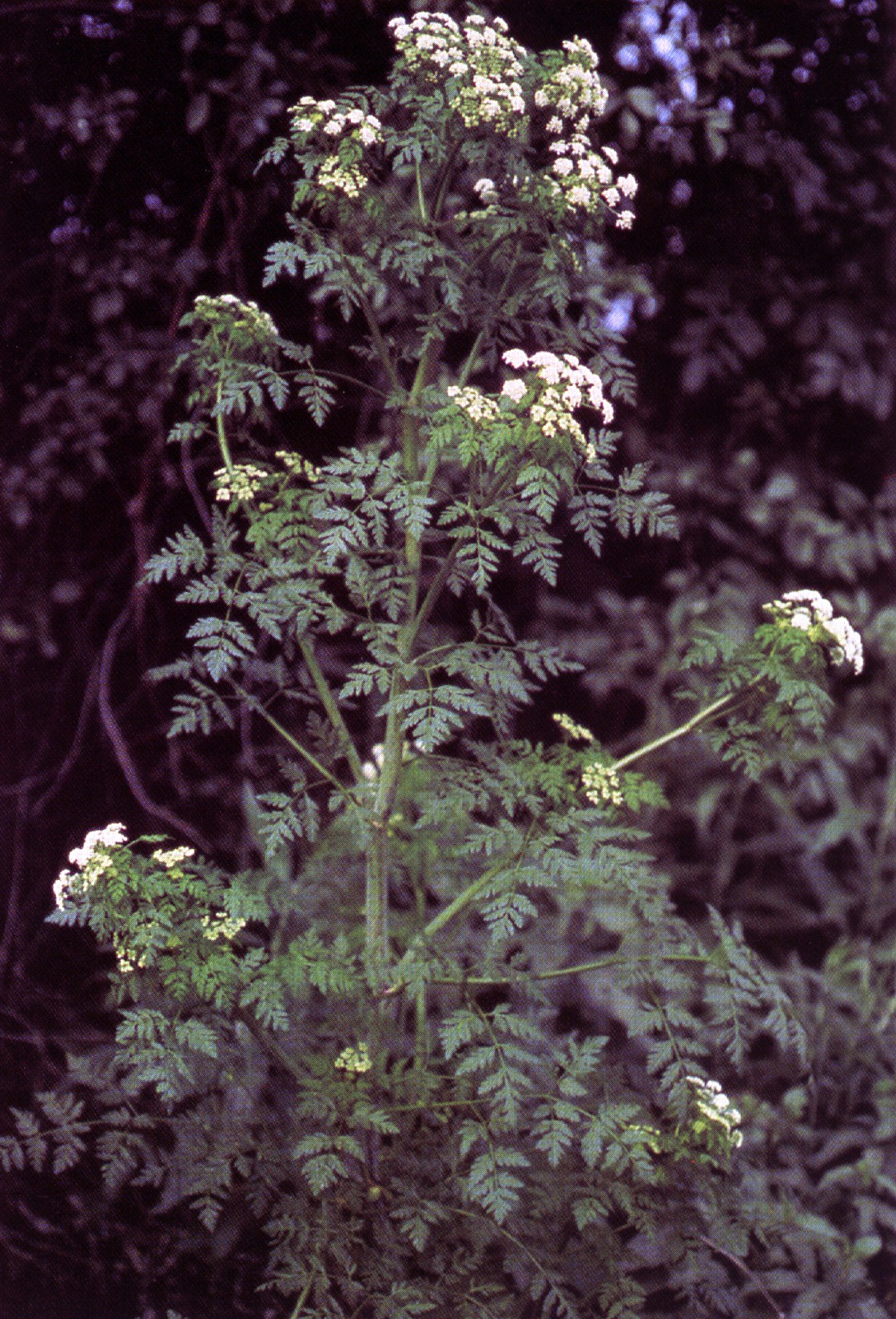
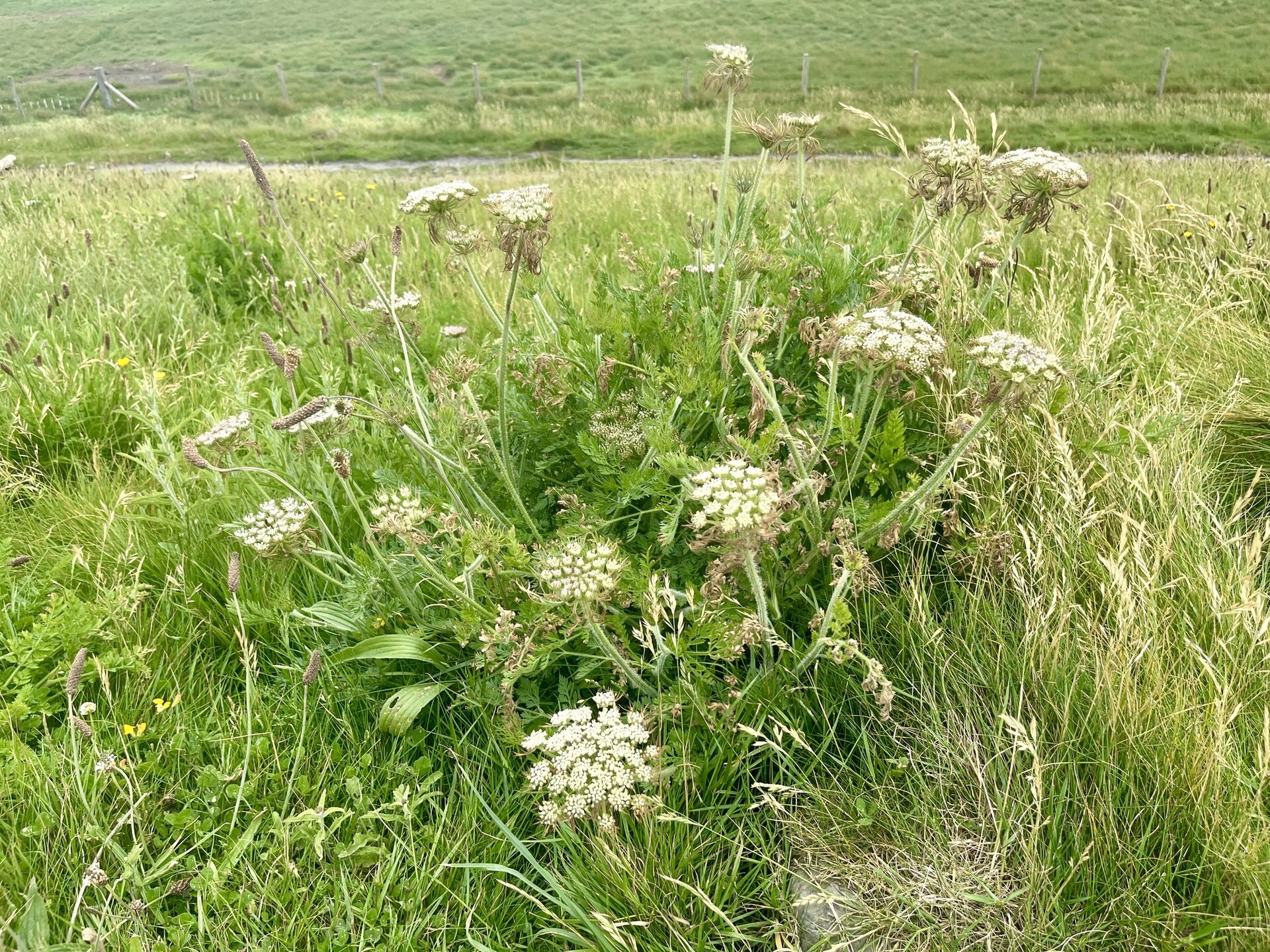
Poison hemlock is highly poisonous and can be confused with plants in the carrot family. A side-by-side photograph is useful for learning why mistakes happen, but it cannot establish the identity of a plant in front of you.
The Poison Archive summarizes selected features reported by UC IPM, including hemlock’s hairless foliage and frequently purple-mottled stems. Such descriptions are not a sufficient decision rule for safe collection.
Descriptions need a growth stage and context
UC IPM’s wild-carrot account describes variation in hairiness across plant parts and stages. Treating ‘hairy versus smooth’ as a complete test can leave out important context.
Use a regional botanical treatment and appropriate expertise to work through an identification. Do not taste or crush a specimen as an experiment to resolve uncertainty.
Use the archive as a reading path
Start with both species profiles, open their references, and note which details you have actually observed. A tentative name should remain separate from any proposed use.
If ingestion or another possible poisoning has occurred, contact US Poison Control at 1-800-222-1222 immediately. An online identification discussion should not delay that call.
Keep these questions with you.
- Compare sources, not just photographs
- Keep uncertain identifications tentative
- Never use a single feature as a safety test
- Contact Poison Control promptly for a possible exposure
Read the sources.
- Poison Hemlock — Pest Notes ↗
University of California Statewide IPM Program
Toxicity, description, California habitat, and comparison with wild carrot.
- Wild Carrot — Weeds Identification Gallery ↗
University of California Statewide IPM Program · updated September 2025
Morphology, May–September flowering, disturbed habitat, and California distribution excluding the Great Basin and deserts.
- Get help online or by phone ↗
National Capital Poison Center
Immediate US poison exposure advice and 1-800-222-1222 contact.