Pacific Northwest forest plants: three species to start learning
Begin with a fern, a shrub, and a tree: an observation guide to western sword fern, salal, and western redcedar in the region’s moist forests.
Prepared with source references. Independent specialist review has not been completed. This guide does not establish identity, edibility, medicinal safety, or permission to collect.
Begin with the forest around the plant
On the Olympic Peninsula in Washington, coastal forests include western redcedar above shrubs such as salal, with sword fern among the understory plants. Olympic National Park’s coastal-forest account offers a useful setting for learning this combination. It describes one part of the Pacific Northwest; the region also contains habitats very different from these moist coastal woods.
For your first observation, choose a plant you can see from an established path. Record the canopy, shade, slope, and nearby plants before proposing a name. Treat these notes as questions to compare with the references, rather than as a checklist that confirms an identification.
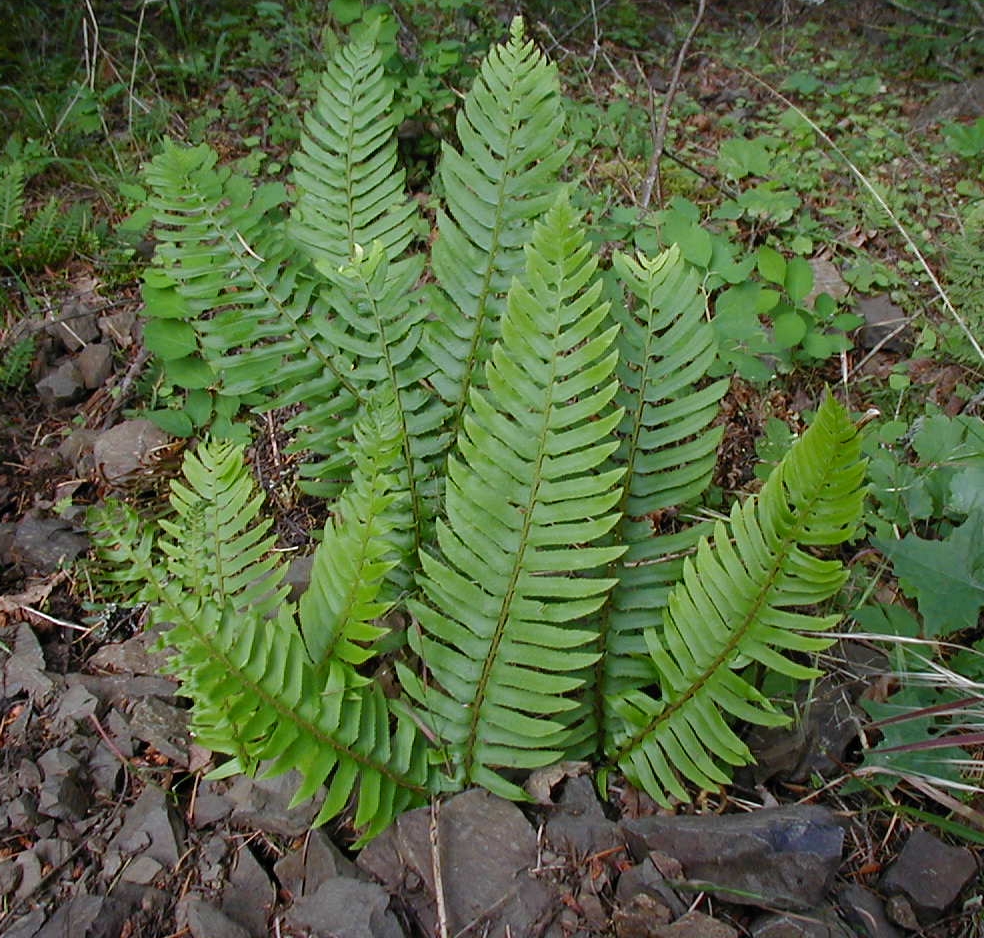
Western sword fern · Polystichum munitum
The University of Washington Herbarium places this fern in moist coniferous woods, in both open and deep shade, and chiefly west of the Cascades crest in Washington. Its displayed botanical description describes arching fronds divided once into separate leaflets. The leaflets have finely toothed, spiny-looking margins and a conspicuous lobe near their base.
Try sketching the outline of a frond and then a single leaflet. Record the arrangement and edges you actually see. These are selected features for observation, not a complete identification key. Do not assume that another fern with a similar silhouette is the same species.
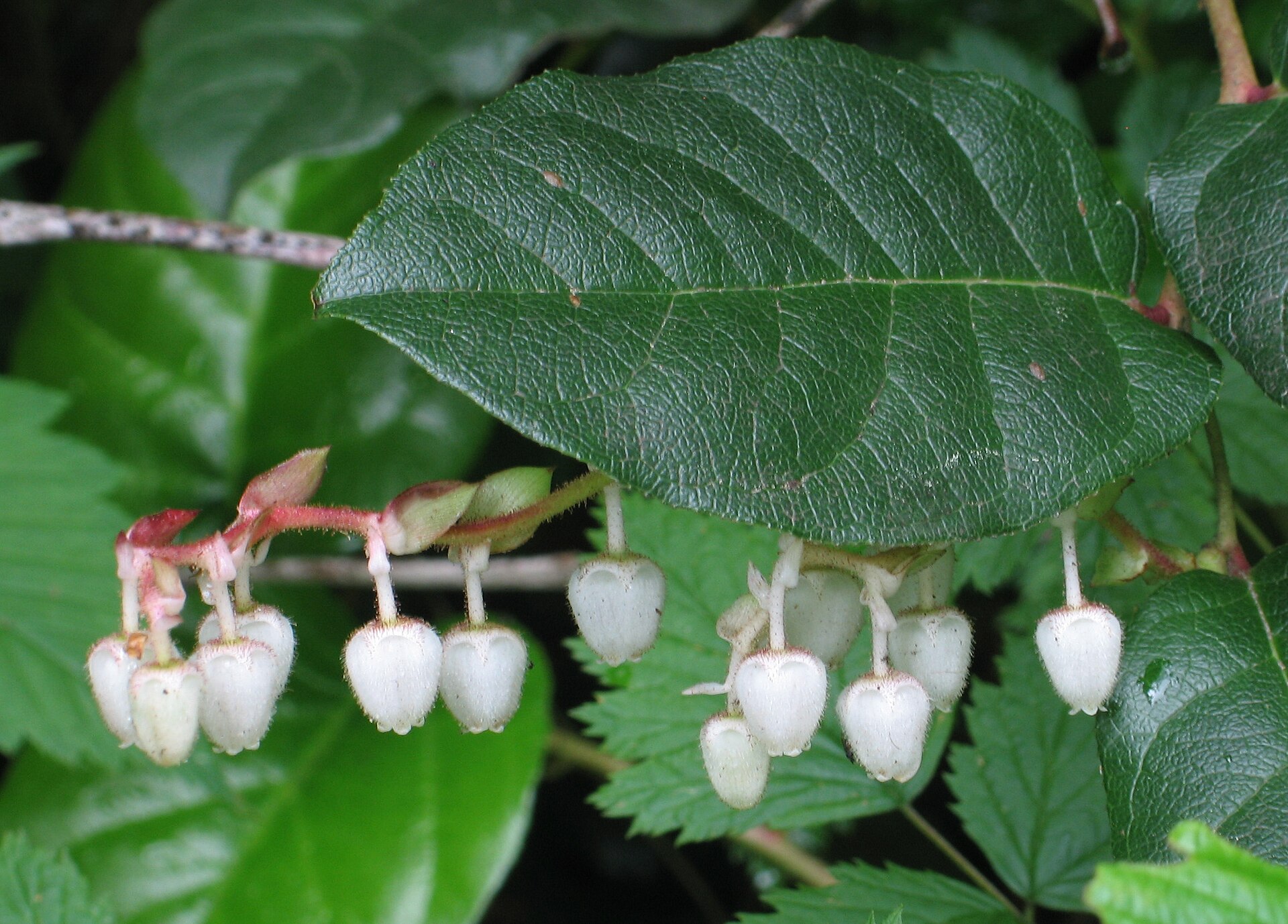
Salal · Gaultheria shallon
Salal is an evergreen shrub with leathery, alternate leaves. The herbarium account describes leaf blades that are oval to egg-shaped and finely toothed. Its flowers are white to pinkish and urn-shaped. In Washington, the account places salal chiefly west of the Cascades in forest understory and along marine headlands.
On a leaf-bearing shoot, note whether the leaves alternate along the stem and sketch their margins. If flowers are absent, write “flowers not observed” instead of borrowing a feature from a photograph. This guide makes no claim about edible use, harvesting, or identification confidence.
University of Washington Herbarium · David Giblin & Hattie Palmer ↗
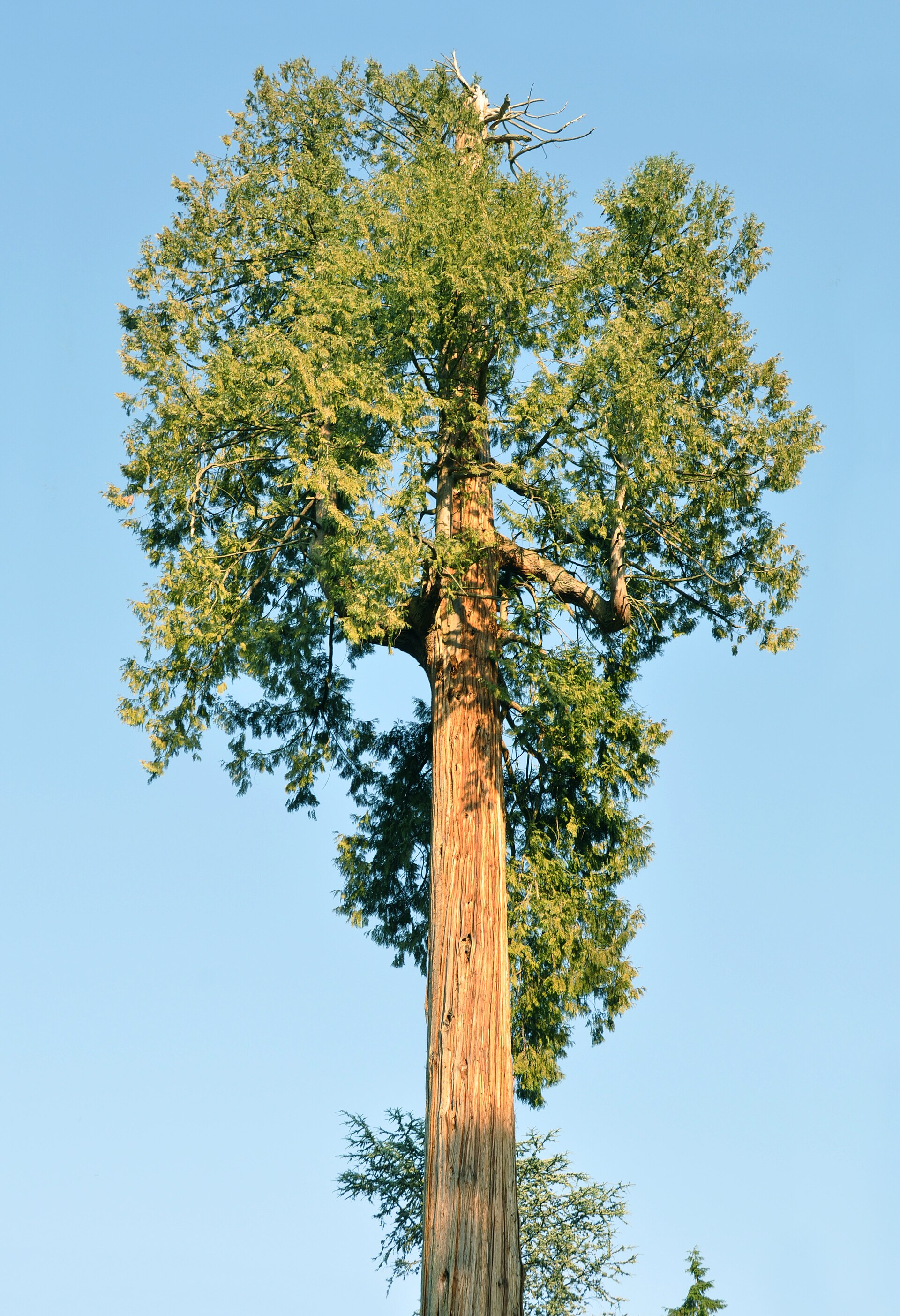
Western redcedar · Thuja plicata
Western redcedar has small, scale-like leaves on flattened branchlets. Its bark is described as reddish brown and fibrous, peeling in long strips; older trunks may have strongly fluted bases. The Washington herbarium account places it on both sides of the Cascades, in moist or swampy habitats from sea level to middle elevations.
Look at the whole tree before studying a reachable branch without detaching it. Sketch the arrangement of the foliage and the pattern of the bark. Compare several features with the linked botanical account; a common name or a single foliage trait does not settle a tree’s identity.
University of Washington Herbarium · Don Knoke & David Giblin ↗
Make a useful record, then keep learning
Keep observations separate from interpretations: “leaves alternate” is an observation, while “possibly salal” is a tentative identification. Photograph the organism and its setting without disturbing it, and leave space in your notes for features you could not examine.
This reading guide now accompanies two Washington-focused starter profiles: salal and western redcedar. The archive’s western sword fern profile and specimen map still describe the California pilot. Pacific Northwest specimen maps and independent specialist review remain pending; these entries do not form a complete regional species collection or a guide to foraging permission. Cultural-use accounts are outside this guide’s scope.
Keep these questions with you.
- Record habitat before guessing a name
- Compare the whole organism and several visible features
- Separate observation from tentative identification
- Record features that were not visible
- Follow the linked regional botanical descriptions
- Leave the plant in place and revisit your questions
Read the sources.
- Coastal Forest — Olympic National Park ↗
National Park Service
Olympic coastal-forest context and its listed plants; not a complete Pacific Northwest distribution account.
- Polystichum munitum — Burke Herbarium ↗
University of Washington Herbarium · David Giblin
Regional habitat and distribution; botanical description displayed from Flora of North America. Photographs remain at the source and are not reproduced.
- Gaultheria shallon — Burke Herbarium ↗
University of Washington Herbarium · David Giblin & Hattie Palmer
Salal leaf, flower, growth and Washington habitat descriptions. Not evidence of identification or edible safety.
- Thuja plicata — Burke Herbarium ↗
University of Washington Herbarium · Don Knoke & David Giblin
Western redcedar foliage, bark, growth and regional habitat. Not a diagnostic key or a cultural-use account.